
How to Prepare a Child for a Professional Ballet Academy: Where to Start and When
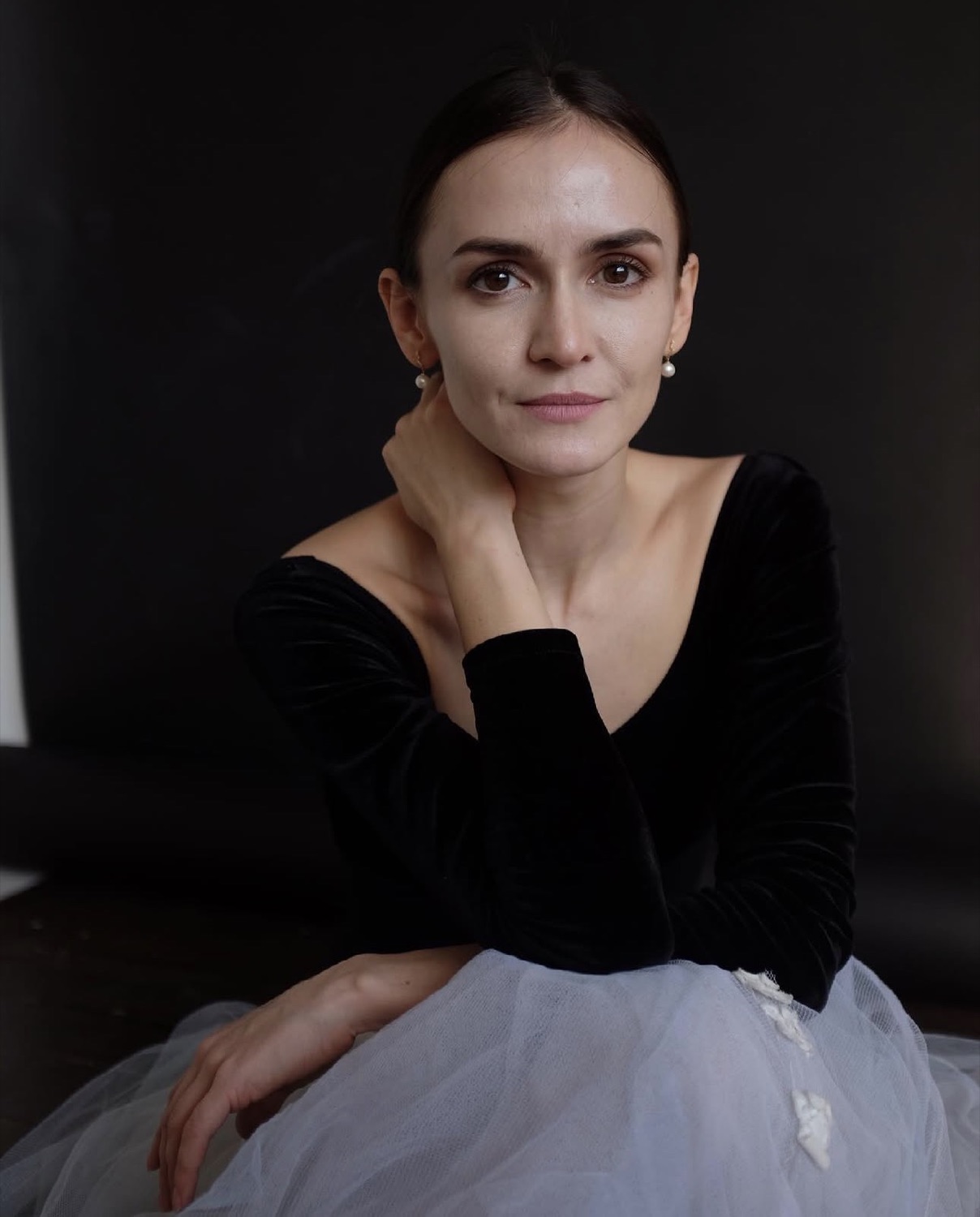
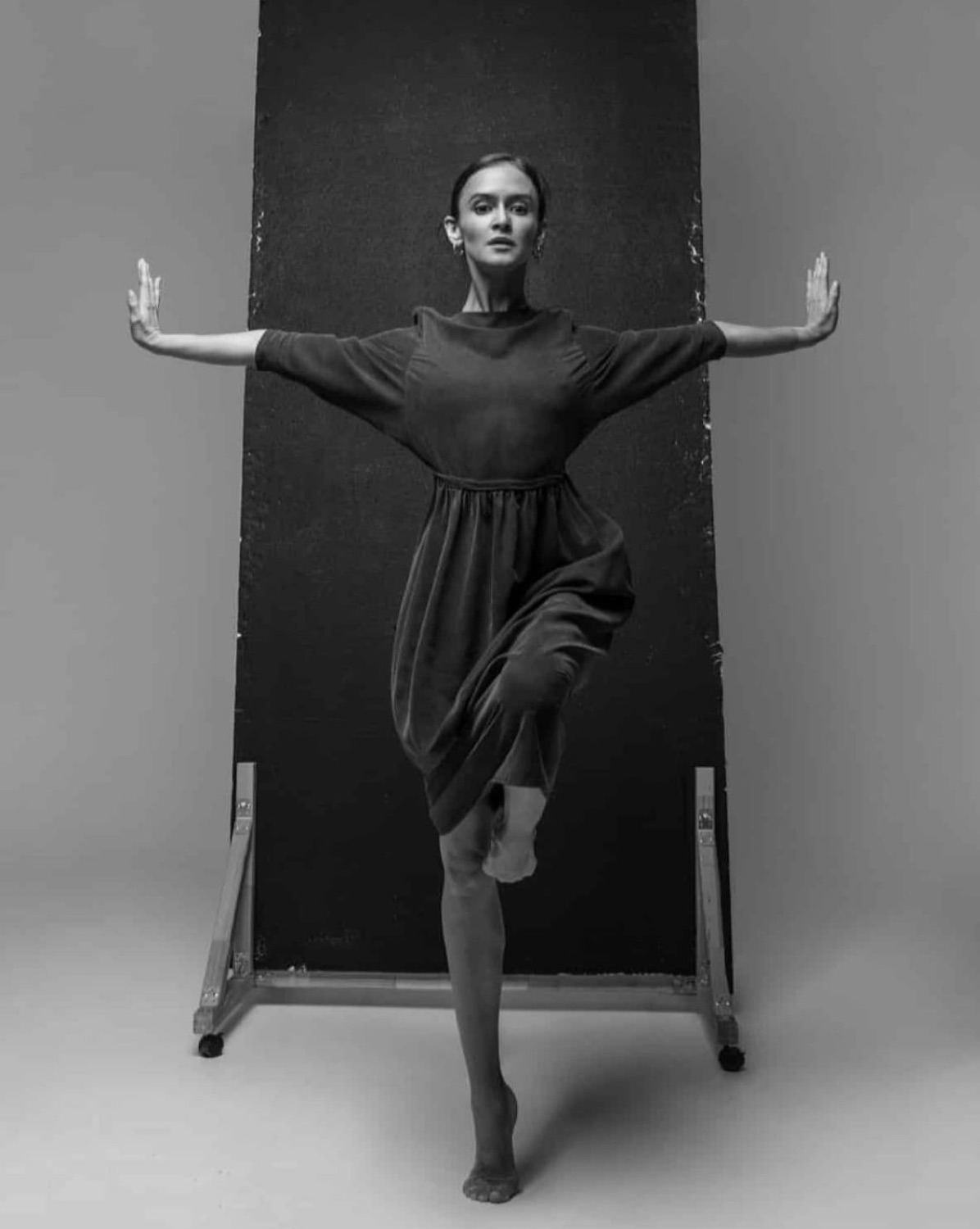
To prepare a child for a professional ballet academy, begin around age six and build a clean foundation, slowly: proper alignment, healthy turnout, and the habit of listening and accepting correction. The aim is not to teach tricks but to set the body well while it is still pliable, knowing that admission is never guaranteed.
Every year, hundreds of children (supple, musical, sincerely in love with dance) arrive at the doors of the great ballet schools. Only a handful are accepted. It is rarely because a child "isn't talented enough." More often, in a few minutes an admissions panel sees what a parent cannot see after years of lessons at home: how the body is built, and how cleanly the foundation has been laid. That foundation can be prepared in advance. Calmly, honestly, without strain, and starting earlier than people tend to think.
What Does an Admissions Panel Actually Look At?
Professional selection is not a contest for the most expressive child in the room. It is an assessment of natural gifts that a child either has or doesn't, and that cannot be "grown into" once the body has matured.
The panel looks at:
- Proportions. The length of the legs relative to the torso, the shape of the foot, the set of the head and neck, the overall silhouette. This is anatomy, and anatomy isn't trained.
- Turnout (en dehors). The ability to rotate the legs outward, not from the knee, but from the hip joint. This is the decisive thing. A child can look "turned out" by torquing the knees, and a trained eye tells genuine turnout from the fake instantly.
- Instep. The arch of the foot when the child points the toe. A high, elastic instep is a highly prized gift.
- Extension and flexibility. How high the leg rises and the body's overall elasticity. What matters is not extreme stretch for effect, but a healthy, controlled range.
- Musicality and coordination. Whether the child hears the music with the body, lands on the beat, and can unite arms, legs, and gaze into a single movement.
And, something parents often underestimate, character. Whether the child can hold attention. Whether they will repeat the same thing calmly and with focus. And above all, whether they can take a correction: hear a note, not take offense, try it another way. A child who absorbs correction is worth more in a teacher's eyes than a child with a spectacular split and closed ears.
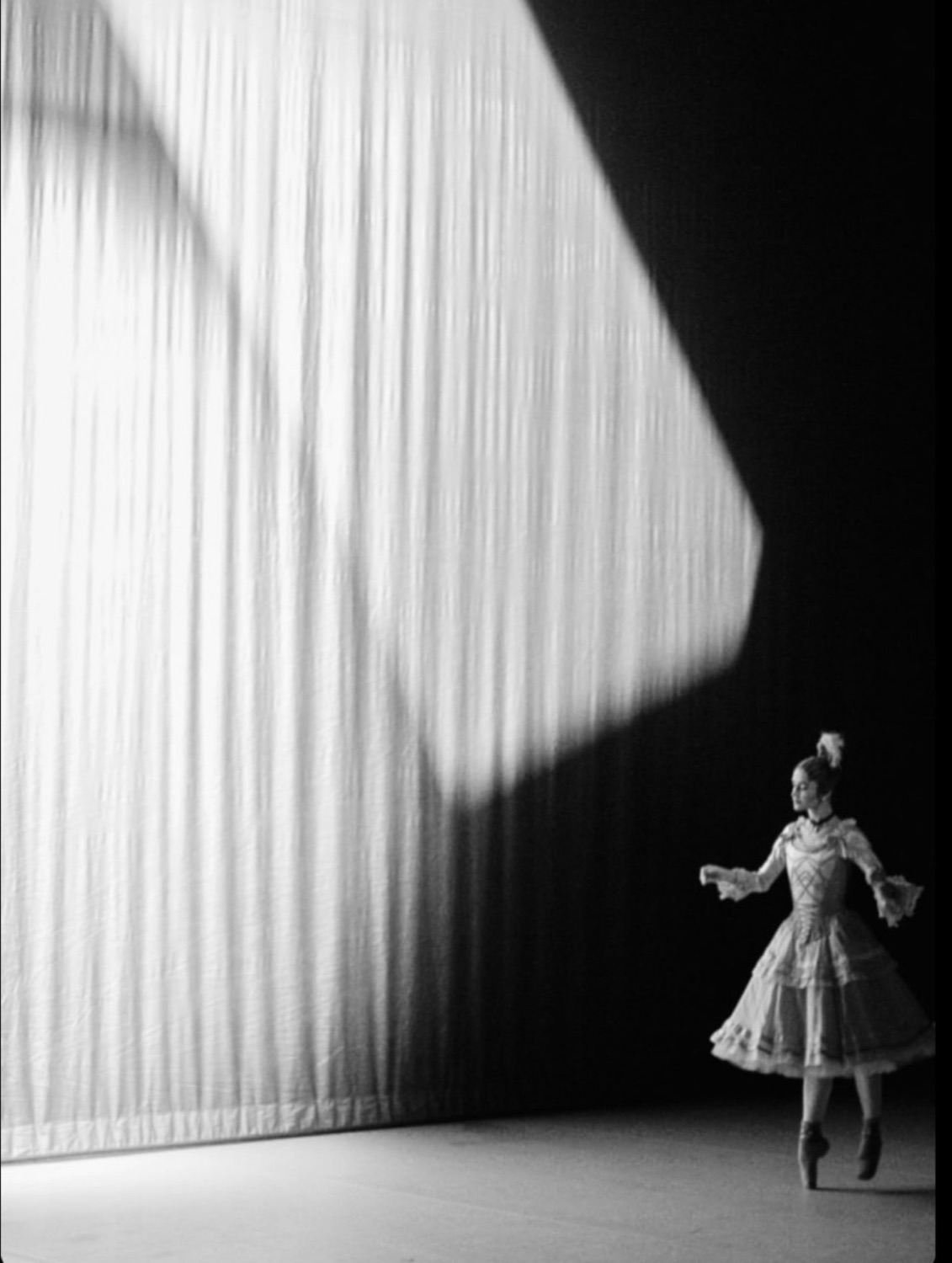
Why Foundation Matters More Than Tricks
There is a temptation to "show results": a high jump, many turns, a pose from the grown-up repertoire. In a selection, that works against the child.
A professional recognizes a well-set foundation at a single glance: by the way a child simply stands. By how they hold the back. Where the body's weight goes. What the arms do at rest. A clean, well-built foundation is aplomb (stability, a sense of the vertical and of the center) and port de bras (the conscious, flowing movement of the arms and torso, not "waving the hands about"). These things cannot be faked in a hurry.
Worse still: a trick learned on a body that isn't ready is almost always learned wrong, with a tense neck, a rolled-in foot, the weight badly distributed. Re-teaching that is long and painful, and sometimes it is already too late. This is why teachers don't value "knows a lot," but knows a little, cleanly. A blank but well-prepared page is always preferable to one written full of mistakes.
The Right Age: Why Around Six
It makes sense to begin serious, systematic preparation around age six; there are two clear reasons.
First, the body is still plastic. Ligaments and joints are pliable; turnout can be opened gently, without forcing. Later, that window gradually closes, and what comes softly at six demands effort at ten, and sometimes is no longer attainable.
Second, by this age the child's attention is forming. They can listen, hold a task for several minutes, repeat consciously. Earlier, classes are mostly play and a love of movement, and that is wonderful; but building technique on a child who cannot yet concentrate is pointless.
And here, an honest warning. Early does not mean forced. What makes an early start valuable is gentleness, not load. If a six-year-old is pushed into "adult" stretching, put on pointe (which must not be done until the foot is strong), and driven toward a result, that injures them: not only the ligaments and the feet, but the love of dance itself. Sound early preparation moves slowly and almost invisibly. In ballet, haste is always paid for with the child's body.
The Role of the Vaganova School
When it comes to a recognizable foundation, method matters. The Vaganova method is a system for teaching classical dance developed in St. Petersburg by Agrippina Vaganova and adopted as a benchmark by many of the world's leading companies. It is recognized by the alignment of the body, by the meaning in the arms, by the way the body works as a single whole.
For a child being prepared for a professional path, this has a practical advantage: a foundation laid in the Vaganova system reads to an admissions panel as "their own language." The teacher sees not a set of movements, but a familiar, proven logic of the body.
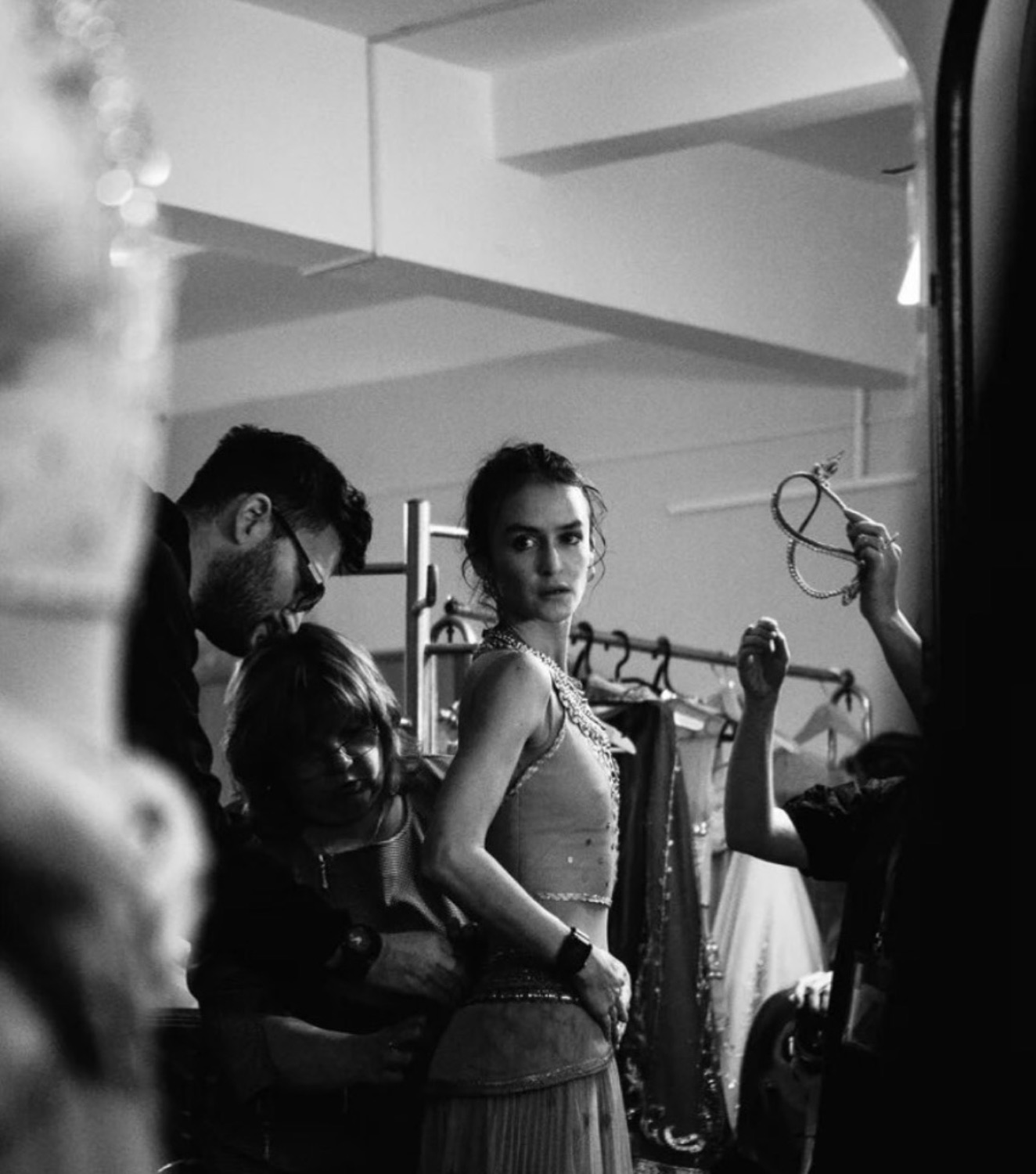
Maria Dmitrienko trained at the A.Ya. Vaganova Academy of Russian Ballet in St. Petersburg and spent 15 years at the Mikhailovsky Theatre. Here in Escazú and Greater San José, Costa Rica, she prepares children in that same school. This means the child receives the foundation not secondhand, but from someone who went through that school from the inside and worked on a professional stage.
What One-on-One Preparation Offers
In a large group, a teacher physically cannot see every child. One child's error is lost among twenty, repeated day after day, and locked in. And it is precisely in preparing for a selection that the cost of an unnoticed error is highest.
A one-on-one lesson changes everything:
- the teacher sees this particular body, with its strong gifts and its weak spots;
- the correction comes at the moment the error appears, not after it has set in;
- the pace adapts to the child: in some places you can go faster, in others you need to linger;
- the child's attention doesn't scatter, and every minute works for the foundation.
For preparing toward a professional academy, this is not a luxury but the most direct path.
Honestly, About Guarantees
No teacher in the world can promise admission. The decision belongs to the panel, and it turns on things that depend on neither parent nor teacher: the child's natural gifts and the choice of a particular school in a particular year.
What good preparation can do is give the child the best honest chance. To arrive at the selection with a clean foundation, a healthy body, and the habit of listening and working. To arrive prepared, not "drilled." That is the honest goal, and it is achievable.
Where to Start
The sensible first step is not to enroll the child in a course, but to understand what we are working with. A seventy-five-minute evaluation makes it possible to look calmly at the child's gifts (turnout, instep, extension, coordination, musicality, the capacity to take a correction) and say honestly what is there, what needs work, and how realistic a professional path is for this particular child.
No promises and no pressure. Just a clear, professional picture, so that you can make the decisions that follow with open eyes.
Frequently asked questions
From what age can we come for an evaluation?
Around age six. That is when natural gifts become visible and a child can work with focus for a few minutes. If the child is five, it sometimes makes sense to wait, and we'll tell you so honestly, without pushing the decision either way.
If a child doesn't have perfect gifts, is that an immediate "no"?
Not necessarily. Much can be opened up with careful work, especially at an early age. That is the whole point of the evaluation: to understand what comes from nature and what can be developed, and to speak with you frankly about both.
When is a child put on pointe?
Only when the foot and ankle are strong enough, usually after several years of correct preparation. Going on pointe too early is dangerous for a growing foot, and we will not do it under any request.
What language are the lessons taught in?
In Russian or English, with support in Spanish on request. For a child, language soon stops being a barrier: the terminology of classical ballet is the same the world over.
The first step is a trial session with Maria
Complimentary, studio fee only. Meet Maria, talk about your goals and try some exercises.
Book my trial session →