
Adult Ballet From Zero: An Honest Conversation About Starting Late
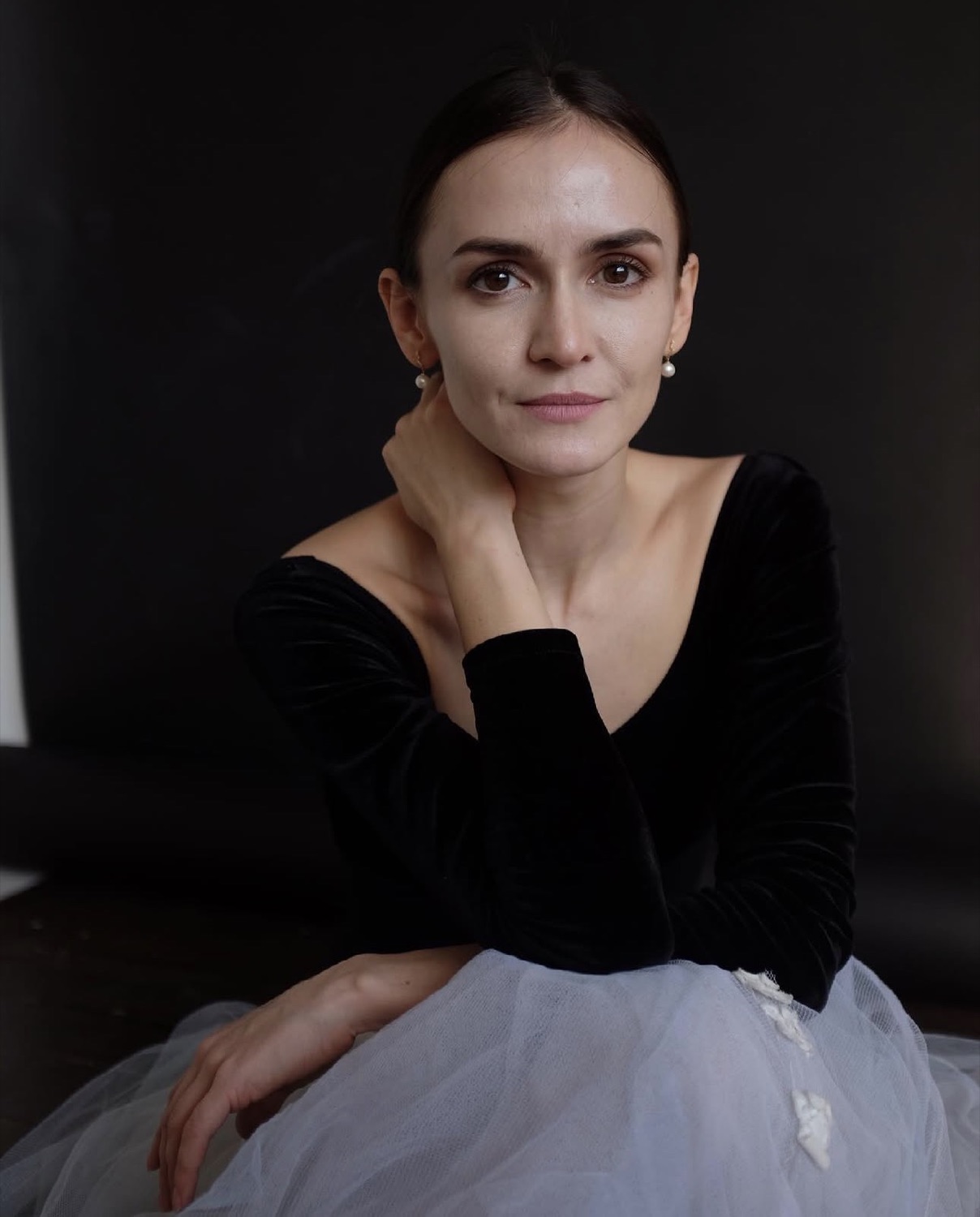
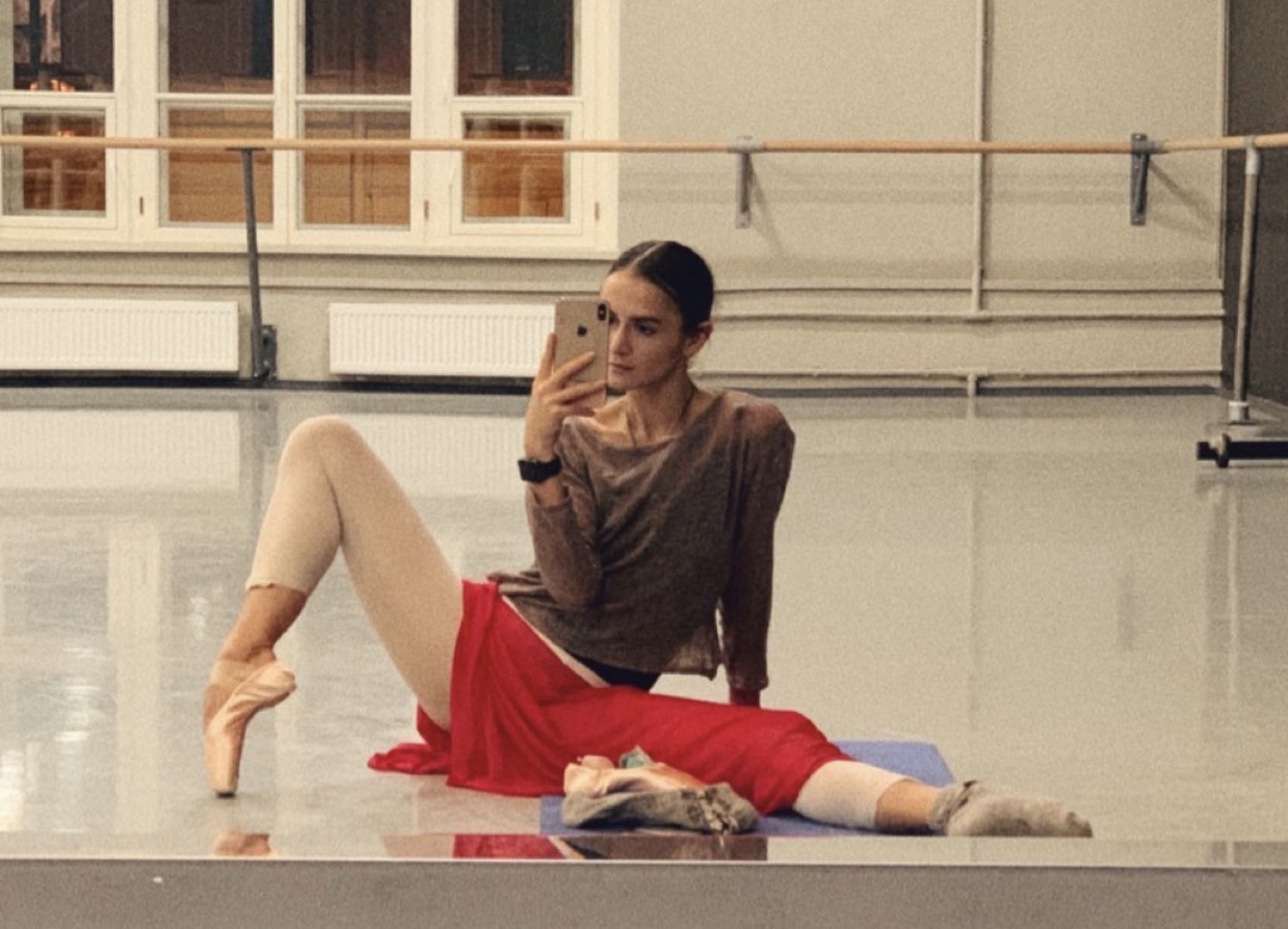
Yes, an adult can start ballet from scratch, at thirty, at fifty, at sixty: it is not too late. The honest difference isn't age but pace, because an adult body simply learns more gradually. Everything else, the posture, the coordination, the pleasure of precise movement, is within reach of anyone willing to practice steadily.
There is a particular silence before that first plié (a soft bend of the knees) at the barre. In it you hear not the music but your own doubts: "Too late. My body's not up to it. They'll laugh." This piece is a calm answer to each of them. No promises of miracles, and none of that condescending cheerfulness. Just the truth: what is real in ballet for an adult, and what is a myth that keeps you from the very thing you quietly want.
The Fears That Arrive Before You Do
An adult rarely fears ballet itself. They fear looking foolish, not making it in time, being disappointed in themselves. It's worth naming these fears out loud: then you can see how much of them is real.
"I'm Too Old"
Ballet as a profession is indeed begun in childhood: the stage demands a body shaped by years of early work. But you didn't come for the stage. You came to the barre, for posture, coordination, musicality, the pleasure of an exact movement. For that, there is no upper age limit. An adult body learns more slowly than a child's, and that is the only honest difference. It learns: at thirty, at fifty, at sixty.
"I'm Not Flexible at All"
Stiffness is neither a sentence nor a disgrace. It is simply a starting point, and for most adults it is roughly the same one. Ballet works not with those who are already flexible, but with those who are ready to practice regularly. Flexibility gets its own honest conversation further down; for now it's enough to say that the lack of it stops no one.
"I'll Look Ridiculous"
This fear is almost always about other people's eyes. In a private, one-on-one lesson, there are no other eyes. There is you and the teacher, and her only task is for you to do a little better than yesterday. The clumsiness of the first movements is not a failure but a normal phase of learning, one that everyone passed through, including the dancers you admire on stage.
"I Have No Coordination"
Coordination is not an inborn gift but a skill. Ballet is precisely the method for building it: one element at a time, in a clear order, with repetition. What today looks like an impossible combination of arms, legs, and gaze becomes familiar within a few weeks. Not because you have changed as a person, but because the nervous system takes in what is new at any age.
What Really Changes in an Adult Body
Here it's worth speaking carefully and without medical promises. Ballet is not a treatment, nor a substitute for exercise a doctor has prescribed. But with regular, mindful practice, adults quite often notice a few things.
The first is posture. Ballet trains you to hold the torso gathered and lengthened, and little by little that habit moves into daily life: into how you stand, sit, walk.
The second is a sense of the center, what ballet calls the support of the torso. The deep muscles of the abdomen and back begin to work more consciously, and movement becomes steadier.
The third, and perhaps the main one, is attention to your own body. You begin to notice where there's needless tension, where weight is unevenly spread, how you breathe in motion. It is a quiet skill, but it changes your relationship with your own body for good.
There can be no timelines or guarantees here: bodies differ. But the direction of the change is exactly this.
Why an Adult Has Real Advantages
The disadvantages of the adult student are discussed often. Their strengths, almost never, though they are considerable.
An adult can listen and understand an explanation. When the teacher speaks of en dehors (the outward rotation of the legs from the hip, the basis of every classical position), the adult doesn't merely copy: they grasp the meaning and hold it in mind.
An adult comes by their own choice. Behind them stand no parental ambitions and no exam schedule, only their own desire, which is the most reliable motivation of all.
And an adult knows how to be patient with the process. Life has already taught them that good things don't come at once, and they don't quit by the third week because "it's still not working."
Why the Vaganova Method and One-on-One Format Are Safer for Starting From Zero
The Vaganova school is a system born in St. Petersburg and refined over decades at the A.Ya. Vaganova Academy of Russian Ballet. What sets it apart is a strict sequence: each movement prepares the next, nothing is given ahead of time. For an adult beginner, that is its greatest value, not the beauty of the method but its safe logic.
In this system you begin at the foundation. With the plié, that soft, measured bend that teaches the legs to fold and straighten without strain. With the battement tendu, the glide of the stretched foot along the floor, the ABC of all leg work. With the port de bras, the movement of the arms from which springs what audiences call "balletic" grace. All of it is learned at the barre, the horizontal rail that serves as support while the body learns to hold its own balance.
The one-on-one format magnifies each of these advantages. The teacher sees precisely your body: your stiffness, your habit of carrying the shoulders, your support. The load is built to fit you, and mistakes are corrected at once, before they set. In a group of adults at different levels this is simply impossible. A private lesson is not a luxury for comfort's sake; for someone starting from zero it is the safest and fastest path to correct movement.
What the First Months Actually Feel Like
Honestly: at first it will feel strange. The early weeks go into the body remembering how to stand, how to hold the torso, where to direct the gaze. Many things won't come on the first try, and that is the natural course of things, not a sign of inability.
Gradually another feeling appears: the moment when movement stops being a list of instructions and becomes whole. For the first time you feel how the plié flows into the rise, how the arm completes the phrase. These small victories are the real joy of adult ballet. Not the split (full opening of the legs) by the end of the month, but a body that is beginning to listen to you.
"First You Have to Get Flexible": The Most Stubborn Myth
Flexibility in ballet is a result, not a price of entry. It is often confused with turnout, the ability to rotate the legs outward from the hip joint, on which classical technique is built. Both flexibility and turnout develop with practice, gently and gradually, through well-sequenced exercises. Waiting until you "stretch first" before you come is like learning a language only after you can already speak it fluently. You arrive just as you are. The rest is work, and it begins in the first lesson.
Where to Begin
If these lines resonate with you, the sensible first step is not a package or a decision "for years ahead," but a single meeting. The trial session is free, you only pay the studio: the teacher gets to know your body, its possibilities and its habits, you try the first movements at the barre, and together you understand whether this path is for you. No commitment and no rush. Sometimes it is exactly such a calm meeting that turns out to be the beginning that long seemed impossible.
Classes are taught by Maria Dmitrienko, a graduate of the A.Ya. Vaganova Academy of Russian Ballet in St. Petersburg with 15 years at the Mikhailovsky Theatre, at Estudio de Ballet Ruso, offering private classical ballet lessons in Escazú and Greater San José, Costa Rica, usually in the student's own home.
Explore the private lessons and book your first class with Maria.
Frequently asked questions
I've never danced before. Is this a good place to start?
Yes. The first class and the one-on-one format are designed precisely for those starting from zero. No previous experience is needed: only the desire and a willingness to practice regularly. From the very first lesson, the load is adjusted to your body and your pace, with no comparison to anyone else.
I'm over fifty. Isn't it too late?
For ballet as pleasure, posture, and command of the body, there is no upper age limit. The professional stage is another story, but that most likely isn't your goal. You can practice at any age; the pace is simply built to fit you, gently and without forcing anything.
Do I need special fitness or flexibility for the first lesson?
No. Flexibility and turnout are things that develop in the process, not a requirement at the door. Come just as you are; from the very first session the load is built around your abilities, carefully and at a sensible pace.
What language are the lessons taught in?
Lessons are taught in Russian or English, with Spanish support on request. Ballet terminology is French and international, so the language of explanation never becomes an obstacle to understanding and making progress.
The first step is a trial session with Maria
Complimentary, studio fee only. Meet Maria, talk about your goals and try some exercises.
Book my trial session →